



Listen to the interview on WKZO AM 590 and FM 106.9 on Friday 09/06/2019 at 7:50 am
When you look at the number of disasters in the U.S., chances are every area will deal with some kind of emergency in the next decade. And between school, sports and social lives, imagine if you are at work or at home when a disaster strikes. Will your child know what to do and where to go to stay safe when you are not around?
National Preparedness Month, is recognized each September to promote family and community disaster and emergency planning now and throughout the year. The 2019 theme is “Prepared, Not Scared.”
Having a conversation now with everyone in your family about what to do, where to meet and what to place in an emergency preparedness kit is a great way to feel Prepared, Not Scared.

Here is a list of items to consider adding to your emergency preparedness kit:
- Water: one gallon per person, per day (3-day supply for evacuation, 2-week supply for home).
- Food: non-perishable, easy-to-prepare items (3-day supply for evacuation, 2-week supply for home).
- Flashlight and extra batteries
- Radio: Battery-powered or hand-crank (NOAA Weather Radio also, if possible).
- Medications: (7-day supply) and medical items
- Sanitation and personal hygiene items
- Cell phone with chargers
- Family and emergency contact information
- Extra Cash: ATM’s may not work during an extended power outage or communications disruption.
- Emergency blanket
- Map(s) of the area
- First Aid Kit: Other items to have available include rain gear, towels, work gloves, scissors and duct tape
Here are some additional items to consider for all family members:
- Medical supplies (hearing aids with extra batteries, glasses, contact lenses, etc.)
- Baby supplies (bottles, formula., baby food and diapers)
- Games and activities for children
- Pet supplies (collar, lease, ID, food, carrier, bowl) Note: Not all shelters or hotel/motels accept pets. Make a plan which includes what to do with your pet(s) should immediate evacuation be needed.
- Extra set of car keys and house keys
- Manual can opener

“Emergencies such as severe weather, flooding, fire, gas leaks and extended power outages happen when we least expect them and emergency preparedness should be a top priority for every Michigander”, according to Firefighter Michael McLeieer, President of E.S.C.A.P.E. Fire Safety.
Each week of National Preparedness Month 2019, the Ready Campaign will emphasize a unique aspect of preparedness:
- September 1 – 7: Save Early for Disaster Costs
- September 8 – 14: Make a Plan to Prepare for Disasters
- September 15 – 21: Teach Youth to Prepare for Disasters
- September 22 – 30: Get Involved in Your Community’s Preparedness
For more information about National Preparedness Month, visit www.ready.gov. Take the time now to be Prepared, Not Scared Where You Live!

Fireworks during the Fourth of July are as American as apple-pie, but did you know that 2 out of 5 fires reported on that day are started by fireworks, more than for any other cause? Every Independence Day holiday, thousands of people, most often children and teens, are injured while using consumer fireworks. Despite the dangers of fireworks, few people understand the associated risks which include devastating burns, injuries to the eyes, hands and face, fires and even death.
According to the latest national data from the National Fire Protection Association (NFPA) and Consumer Product Safety Commission (CPSC), U.S. hospital emergency rooms treated an estimated 12,900 people for fireworks related injuries; 54% of those injuries were to the extremities and 36% were to the head. Children younger than 15 years of age accounted for more than one-third (36%) of the estimated injuries during 2017.
In Michigan, consumer fireworks became legal January 1, 2012, and must meet CPSC standards. They will only be sold to people 18 years of age or older. Low impact fireworks (ground-based items such as sparklers, toy snakes, snaps, and poppers) are legal for sale and use. In December, 2018, new measures were signed into law (House Bill 5939) that reduce the number of days fireworks can be used, give local government more power to regulate the devices and tighten consumer sales and use.
“The best way to stay safe from fireworks is to not use them. Instead, attend a public fireworks display put on by trained experts,” said Firefighter Michael McLeieer, President of the non-profit fire safety charity E.S.C.A.P.E. “Fireworks are dangerous to people and pets. Using them puts you and your property at risk,” according to McLeieer.
You can enjoy your holiday and the fireworks by following a few simple safety tips:
Proceed with caution!
- Be safe. If you want to see fireworks, go to a public show put on by the professionals. To find a fireworks display near you, check out the listings on woodtv.com.
- Parents and caregivers should always closely supervise children at events where fireworks are used.
- Hand-held sparklers burn at more than 1,200 °F and cause 3rd degree burns in seconds. As a comparison, wood ignites at 356 F.
- If you decide to use sparklers, place discarded sparkler wires in a metal bucket filled with water.
- Sparklers account for roughly one-quarter (25%) of emergency room fireworks injuries.
- After the fireworks display, children should never pick up fireworks that may be left over since they may still be active.
- Adults should not use alcohol with fireworks.
- Follow the local ordinance and state law regarding the use of consumer fireworks.
- Leave pets at home and keep them inside during fireworks displays.
To learn more about the new state law and your local ordinance pertaining to fireworks, click here.
E.S.C.A.P.E. Fire Safety urges Michiganders to use common sense, be aware of your surroundings and follow safety rules this Fourth of July during holiday celebrations Where You Live!
With warmer weather and longer days approaching, people throughout Michigan are emerging from their winter cocoons to focus on long-neglected projects like spring cleaning, home repairs, and yard work. Many are also lacing up their shoes for their first outdoor walk or jog of the season. These activities can be extremely beneficial, but they also involve a variety of health and safety hazards that can be avoided with the proper precautions.
To help ensure everyone in our community stays safe this season, E.S.C.A.P.E. Inc. offers the following tips and suggests you post them where they can be seen by your family members and co-workers.
Cleaning for Safety:
Nature is undergoing a fresh start and so are homeowners who are ready to clean up the debris that has been accumulating in basements, storage sheds, and garages over the winter.
- Household and pool chemicals, paints, and poisons should be properly marked and stored under lock and key, away from children’s reach. Dispose of any that are leaking, expired, or that look bad.
- When cleaning up hazardous chemicals wear rubber gloves and follow the safety direction on the packaging. Never mix chemicals in the same container. If you don’t’ know how to dispose of them, seek outside advice. Never put them into the trash or pour down the drain.
- Make sure gasoline and cleaning fluids are well marked and stored in a cool, dry place away from the house and out of the reach of children and pets. Use only approved containers for gasoline storage.
- Never use gasoline to clean skin, clothes, auto parts, or floors.
- Clean up work areas. Put dangerous tools, adhesives, matches, or other work items away from children’s reach.
- Check your barbecue grill for leaks and cracks and be sure to store any propane tanks away from your house and garage.
- Remove all fire hazards, including stacks of rags, newspapers, and magazines. Pay special attention to the spaces around your furnace, hot water tank, fireplace, space heaters, and dryer, as well as under the stairs.
Yardwork Safety:
Itching to get the yard into shape for the summer? Here are ways to help ensure your spring spruce-up is disaster-free.
- Limber up. Yard chores may seem easy, but they involve muscles you probably haven’t used in a while.
- Always wear protective clothing when you handle pesticides and fertilizers.
- More than 60,000 people are treated in emergency rooms each year for lawn-mower injuries.
- Rake before you mow to prevent any stones and loose debris from launching into the air.
- Never operate a mower in your bare feet and avoid wearing loose clothing.
- Never start a mower indoors.
- When refueling your mower, make sure the engine is off and cool. Don’t spill gasoline on a hot engine — and don’t smoke while pouring gasoline.
- Never leave your mower operational while unattended.
- Don’t use electrical mowers on wet grass.
- At least 55,000 people each year sustain injuries from trimmers, lawn edgers, pruners and power saws.
- Read the manufacturer’s instructions carefully before using the tools.
- Inspect the product for damage and don’t use it if there are problems.
- Use proper eye protection.
- Make sure blade guards are in place on all cutting equipment.
- Don’t let tools get wet unless they are labeled “immersible.”
- Unplug all tools when not in use.
- Make sure the tool is in the “off” position before you plug it in.
- Store gasoline-powered equipment away from anything that uses a pilot light.
- Make sure you use the right saw for the task, and always wait for the saw blade to stop before pulling away from a cut to avoid kickback.
- When pruning trees, be careful not to let metal ladders or trimmers contact overhead wires.
- Before you do any “hands on” weed removal, make sure you know how to identify poison ivy, sumac, oak and similar toxic plants. Find out ahead of time how to treat the rashes they cause to reduce the irritation.
Outdoor Safety:
Ready for some outdoor exercise and adventure? Here are a few pointers.
- Winter’s inactive muscles can take only so much strain. Don’t overdo it — build up slowly so you don’t have strains that can put you out of commission for some time.
- It may look appealing, but don’t wander on frozen rivers and lakes in the spring. The ice is beginning to thaw, and you never know just how thin the ice really is.
- Spring’s extra rain and thawing snow can cause normally safe rivers, streams, and creeks to turn treacherous. Even standing on banks can be risky as they can be undercut by rushing water and give in under your weight.
- Springtime is also severe weather time. If the skies look threatening, check to see if a storm watch or warning has been issued before you initiate outdoor activities. If you’re already outside and thunderstorms threaten, go immediately into a building or enclosed vehicle. For tornadoes, go to the nearest safe structure, or the basement or interior first-floor room of your home. If there’s no time to follow these precautions, take cover in a ditch or depression in the ground.
Ladder Safety:
Ready to do some home repairs? On average, about 145,000 people visit the emergency room each year, because of ladder mishaps. Here are a few safety tips:
- Read the manufacturer’s instructions that come with your ladder. They contain guidelines for weight and height limits as well as for the proper use of their product.
- Inspect the ladder before using it to make sure there are no loose or broken rungs.
- Make sure the ladder is the right height for the job. Many accidents happen when people overextend their reach because their ladders are too short.
- Never stand on a ladder’s bucket shelf.
- Make sure the ladder is completely open and that all of its feet are planted on a firm, level surface. Extension ladders should not be placed at an angle that is too extreme.
- Avoid using a metal ladder near electrical sources.
- Face the ladder when climbing down and make sure your weight is centered between the two sides.
“These are just a few of the safety precautions to consider during the spring,” says Michael McLeieer, President of E.S.C.A.P.E. Inc. “It’s also a great time to replace your smoke alarm batteries, make sure your fire extinguishers are placed in proper locations around your home, and ensure you have a working flashlight and battery-powered radio for spring storms. By taking the right precautions when warmer weather beckons, you and those around you can enjoy a safer, healthier spring.”

On May 18, 2019, Lt. Michael McLeieer from the Olivet Fire Department in Eaton County and the President and founder of E.S.C.A.P.E. Inc. was elected President of the Michigan State Firemen’s Association at the 144th Annual Conference held in Frankenmuth. He also is the Program Coordinator of the WOTV Operation Save A Life program.
McLeieer will be providing guidance and vision as he and the MSFA Executive Board implement strategies to provide the tools for firefighters and fire departments throughout Michigan to keep their communities safe, healthy, prepared and resilient.
Michigan continues to be a leading state in the country for civilian fire deaths in the home. There is also a shortage of firefighter candidates in many communities throughout the state. The recruitment and retention of qualified firefighters is essential to maintaining a safe and healthy community. That’s why the MSFA has partnered with the National Volunteer Fire Council by supporting its national initiative called Make Me A Firefighter, said McLeieer
“One key to retention has been utilizing new volunteers on proactive projects such as installing new smoke and carbon monoxide alarms in owner occupied homes, providing “hands-only” CPR education in the schools, and teaching the public ways to identify and reduce risky actions which may result in injury or even death,” according to McLeieer.
Approximately 70 percent of fire departments are served by paid-on-call or volunteer firefighters, and roughly 30 percent are served by paid career firefighters. So when seven out of every ten firefighters or emergency responders are volunteers, fire departments have to make sure that those interested in their local communities understand they can make a difference and a positive impact. McLeieer has been told the hardest thing for the local fire department is just getting the word out and let people know that the department is seeking volunteers.
The Michigan State Firemen’s Association has been serving Michigan firefighters since 1875. For more information about Make Me A Firefighter visit www.makemeafirefighter.org or www.msfassoc.org.
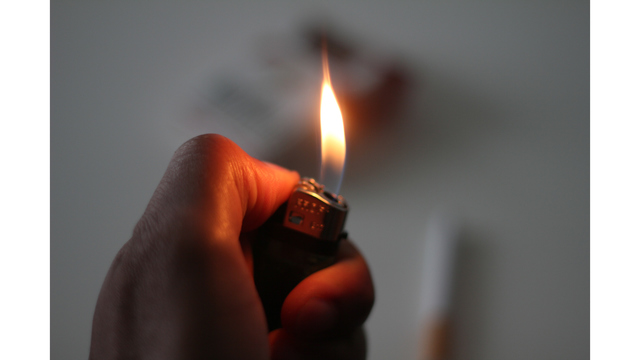
Arson awareness is essential to keeping our communities vibrant and safe. Arson Awareness Week is May 5-11, 2019 and this year’s theme is “Preventing Arson at Construction Sites”.
Here is the Arson Awareness Week interview from May 6th on WKZO AM 590 and FM 106.9 between Morning Show Host Ken Lanphear and E.S.C.A.P.E. President and Founder Lt. Michael McLeieer.
Arson affects both residential and commercial structures that are being built. The fire damage is not only to the structure but also to all of those involved (emergency responders, property owners, and the community).
Although intentional fires are not the largest factor in reported construction site fires, they create a significant negative impact on the local community which not only includes those who live in the area, but also those involved with the project itself because they all become a community member during the time when these large projects are being constructed.
According to the United States Fire Administration, U.S. fire departments respond to an estimated average 3,750 fires in structures under construction each year, 2,560 fires in structures undergoing major renovation, and another 2,130 in structures being demolished. Fires in these types of structures place members of the fire service in a position of unknowns and uncertain instability and vulnerability.
Fires in structures under construction, on average, were associated with 5 civilian deaths, 51 civilian injuries, and $172 million in direct property damage per year.
Buildings under construction or renovation are at their most vulnerable and weakest condition. Accumulation of waste, ordinary combustibles, limited access, minimal water supplies and hazardous operations increase the challenge. Add to this the effects of firefighting operations, increased water weight, weakened metal and support structures, hidden hot spots, and you have a formula for disaster waiting to happen.
Impact on the Community:
Fear in the community – if one building burns down and it was caused by arson will another building be the next target?
- Potential exposure issues – are adjacent structures next to the construction site at risk for catching fire?
- Vagrants / juveniles – may have access to construction sites and start a fire because they are bored or out of revenge.
- Property value – is diminished when arson is a problem in the area.
Common Causes:
- Cooking – appliances left on, oils reaching ignition temperature, or combustibles nearby (workers cooking on site during lunch)
- Heating – Propane/gas/kerosene heaters used inside or on the job site.
- Work Equipment – Torches, grinders, or cutters causing sparks.
- Smoking – Cigarette embers and nearby thermally thin combustibles. The National Fire Protection Association estimates at least 5% of construction site fires are caused by carelessly discarded smoking materials.
- Incendiary Motives – Profit, revenge, vandalism or shelter for warmth.
Awareness is key. Everyone can help to prevent arson at construction sites.
Contractors:
- Store solvents, fuels and tools in a locked storage container or remove them from the job site when you are not using them.
- Request additional patrols or drive-bys from your local law enforcement.
- Remove trash and debris from the job site.
- Try not to store excess materials on the job site.
- Secure doors and windows on structures when crews are not actively working on the property.
Community:
- Awareness is essential. Become familiar with activities in your neighborhood.
- Report odd or suspicious activities to your local law enforcement.
For more information: The National Association of State Fire Marshals offers free construction fire safety online training courses:
- Building Inspector Fire Safety Course.
- Overview for Safety Managers and Owners.
- Construction Workers Fire Safety Course.
Visit www.constructionfiresafety.training/ to enroll.
For more information on Arson Awareness Week 2019 visit www.usfa.fema.gov/aaw. Fire Is Everyone’s Fight ®