



Scald injuries affect all ages. Young children and the elderly are most vulnerable. This is why Michigan State Fire Marshal Richard Miller, E.S.C.A.P.E. Fire & Safety, and the American Burn Association want to provide you with information on scald injury prevention.
Scald burns are the second leading cause of all burn injuries. Annually in the United States and Canada, more than 500,000 people receive medical treatment for burn injuries. Roughly half of these injuries are scalds. Most burns occur in the home, usually in the kitchen or bathroom.
“Scalds can be prevented through increased awareness of scald hazards and by making simple environmental or behavioral changes,” according to Firefighter Michael McLeieer of E.S.C.A.P.E. Fire & Safety. “These changes include providing a ‘three-foot-kid-safe zone’ while preparing and serving hot foods and beverages, and lowering the water heater thermostat to deliver water at a temperature not to exceed 120 degrees since tap water scalds are often more severe than cooking-related scalds,” according to McLeieer.
Burn Awareness Week, observed the first full week in February, is designed to provide an opportunity for burn, fire and life safety educators to unite in sharing a common burn awareness and prevention message in our communities throughout Michigan and across the country.
Tips to prevent burns and scalds:
- Set home water heater thermostats to deliver water at a temperature no higher than 120 degrees Fahrenheit. An easy method to test this is to allow hot water to run for three to five minutes, then test with a candy, meat or water thermometer.
- Provide constant adult supervision of young children or anyone who is bathing and may experience difficulty removing themselves from hot water on their own.
- Avoid flushing toilets, running water, or using dish or clothes washers while anyone is showering.
- In the kitchen, turn pot handles back, away from the stove’s edge and use back burners when young children are present.
- Use dry oven mitts or potholders. Hot cookware can heat moisture in a potholder or hot pad, resulting in a scald burn.
- Open microwaved food slowly and away from the face.
- Wear short, close-fitting or tightly rolled sleeves when cooking.
- Establish a “kid-safe-zone” of at least 3 feet around the stove, hot liquids and hot foods. The “kid-safe zone” should be an area out of the traffic path between the stove and sink where children can safely play and still be supervised.
- Never hold a child while you are cooking, drinking a hot liquid, or carrying hot foods or liquids.
General first aid for burns and scalds:
- Treat a burn right away by putting it in cool water. Cool the burn for fifteen to twenty minutes.
- Cover burn with a clean, dry cloth. Do not apply creams, ointments, sprays or other home remedies.
- Remove all clothing, diapers, jewelry and metal from the burned area. These can hide underlying burns and retain heat, which can increase skin damage.
For more information about preventing scald burns, visit the E.S.C.A.P.E. Fire Safety, Helen DeVos Children’s Hospital or American Burn Association websites.

Winter storms can range from a moderate snow over a few hours to a blizzard with blinding, wind-driven snow that lasts for several days. Many winter storms are accompanied by dangerously low temperatures and sometimes by strong winds, icing, sleet and freezing rain.
One of the primary concerns is the winter weather’s ability to knock out heat, power and communications services to your home or office, sometimes for days at a time. Heavy snowfall and extreme cold can immobilize both the local neighborhood and an entire region.
The National Weather Service refers to winter storms as the “Deceptive Killers” because most deaths are indirectly related to the storm. Instead, people die in traffic accidents on icy roads and of hypothermia from prolonged exposure to cold. It is important to be prepared for winter weather before, during and after it strikes.

Prevent Fires from Alternative Lighting, Heating and Cooking
Should families experience a power outage during or after the winter storm, a safer alternative is to use battery operated flashlights or lanterns instead of candles or other open flame. Never use a stove or oven as a heating source and never overload a fireplace, wood or pellet stove. Finally, always properly dispose of ashes in a metal container with a lid, outside away from the house, garage or deck. A single ash can retain heat for several days.

Portable Generator Safety during a Power Outage
- Always read and follow the manufacturer’s operating instructions before running a generator.
- Engines emit carbon monoxide. Never use a portable generator inside your home, garage, crawl space, basement or other enclosed areas. Fatal fumes can build up, that neither a fan nor open doors and windows will provide enough fresh air.
- Only use your generator outdoors, away from windows, vents or doors.
- Test battery-operated carbon monoxide alarms on every level of your home at least monthly.
- Gasoline and its vapors are extremely flammable. Turn off the portable generator and allow it to cool at least 2 minutes before refueling and always use fresh gasoline.
- Store gasoline in an approved container, in a shed or detached garage away from the home. Never store gasoline in the home or an attached garage.
- Never operate a portable generator near combustible materials.
- Plug appliances directly into the generator or use a heavy-duty, outdoor rated extension cord. Always uncoil extension cords and lay them flat in open locations since coiled cords get extremely hot and could cause a fire.
- Never plug your generator directly into your home outlet to avoid “backfeeding” which can electrocute utility workers. If you are connecting a generator into your home electrical system, have a qualified, licensed electrician install a Power Transfer Switch.
- Generators produce powerful voltage. Never operate under wet conditions and take precautions to protect your generator from exposure to rain and snow.

During and After the Storm
Clear snow from furnace, dryer vents, and hydrants. Keep outside furnace, hot water and dryer vents clear of drifting snow to prevent flue gases from backing up into the home and creating a carbon monoxide hazard. Assist firefighters by clearing a three-foot radius around fire hydrants near your home.
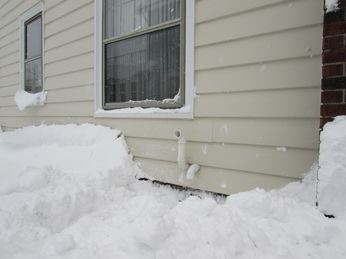

Prevent Freezing Pipes
Let hot and cold water faucets drip a trickle to prevent pipes from freezing, and open cupboards under sinks to let heat circulate around the pipes.

Use Caution in Cold Temps
Before tackling strenuous tasks in cold temperatures, consider your physical condition, the weather factors and the nature of the tasks. Protect yourself from frostbite and hypothermia by wearing warm, loose-fitting, lightweight clothing in several layers. Stay indoors, if possible.

Be a Good Neighbor
Check on elderly neighbors, people living alone, those with disabilities and homes with young children to see if they need extra supplies before or assistance after the storm.

For winter weather updates, visit Storm Team 8 online.
For additional Winter Storm Safety Tips, watch this Winter Safety Tips video from FEMA or go to Ready.gov.

Contact:
Elliott Jones | Team Firestoppers Project Manager – (269-353-6180 ext. 7183)
or
Firefighter Michael McLeieer | E.S.C.A.P.E. Fire Safety (269-492-3340)
Email: [email protected]
Team Firestoppers of Southwest Michigan is a home fire (mitigation) project launched by the American Red Cross using AmeriCorps members. Its goal is to reduce the impact of fire incidents in high risk areas of our community by providing proactive awareness and education and increase preparedness for children and families.
Fire Facts:
- 7 times a day, someone in this country dies in a home fire.
- There are between 360,000 and 400,000 home fires reported each year in the United States, according to the National Fire Protection Association.
- Over the past 2 years, Michigan has seen its highest rate of civilian fire deaths not seen since 1999.
- Most of the homes where fire fatalities occurred, there were not working smoke alarms present.
- Working smoke alarms double the chances of surviving a dwelling fire.
- 62% of Americans believe they have at least five minutes to escape a burning home.
- FACT: A family may only have 2-3 minutes to escape a burning home and survive.

Some of the key components of the project include:
- Conducting a community risk assessment to determine which neighborhoods have experienced the greatest number of fires.
- Meet with families and review fire prevention information and provide a safety checklist.
- Work with families to create a written emergency escape plan that can be tailored to the individual’s home.
- Educate families and show them ways to eliminate risky behavior around fire.
What can you do to protect you and loved ones:
- Make sure there is a working smoke alarm on every level of the home and test them every month. (and replace the batteries at least once a year)
- Every household should develop a fire escape plan and practice it several times a year and at different times of the day.
- Include two ways to get out of every room and consider escape ladders for sleeping areas or homes on the second floor or above.
- Pick a place outside for everyone to meet and make sure everyone knows where it is.
- Practice that home fire drill until everyone in the household can do it in less than two minutes.

State Fire Marshal Richard Miller urges extreme caution as deadly home fires are on the rise in Michigan this winter. These fires are often due to careless smoking, unattended candles, space heaters, wood stoves and fireplaces, or faulty electrical wiring.
“Just two weeks into 2015, and we’re already seeing an increase in the number of home fires and related fatalities,” said Miller. “We’re especially seeing more fires in modular or mobile homes and apartments, injuring or taking the lives of children and the elderly, as residents look to alternative sources of heat to try and keep warm.”
Miller said to keep anything that can burn at least three feet away from any type of heat source or equipment such as a fireplace, wood burning stove or portable space heater.
“All of these methods of heating may be acceptable, but are major contributing factors in residential fires,” said Miller. “Simple precautions can prevent deadly consequences.”
Whether living in a single family dwelling, apartment, or mobile home, make sure it is well-equipped with multiple, working smoke alarms in sleeping and living areas; interconnect them so when one alarm sounds, they all sound. Test smoke alarms at least once a month and replace batteries at least once a year. Never remove or disable alarms. Make sure the kids and elderly in your home know the sound of the alarm.
Have a home fire escape plan that the entire family has practiced that includes two, easy ways out of every room and an outside meeting place. Make sure you can open and get out of windows and doors.
Have a licensed electrician inspect the electrical system to be sure it is safe and meets the applicable Michigan Electrical Code requirements. Have the furnace inspected to ensure controls and emergency shutoffs are working properly.
Other fire safety tips include:
- Never use a range or oven to heat your home. Along with being a potential fire hazard, it can be a source of potentially toxic fumes.
- If buying a space heater, make sure it has an automatic shut-off switch. Never use it in the bathroom or other areas where it may come in contact with water. Keep the kids and pets a safe distance away and turn it off when leaving a room or going to bed.
- Have smokers smoke outside the home.
- Make sure the fireplace has a sturdy screen to stop sparks from flying into the room. Ashes should be cool before putting them in a metal container.
- Never leave candles burning in an unoccupied room.
- In the event of a power outage, portable generators should only be used outside and away from buildings, to avoid carbon monoxide poisoning.
- Clear snow away from all exterior doors so you can get out fast in the event of an emergency.
- Clear away snow from fire hydrants so they are clearly visible.
According to Miller, the peak time for home fire fatalities is between 10 p.m. and 6 a.m. when most families are sleeping.
“When a fire occurs, get out quick and stay out. Escape first, closing doors behind you if possible. Quickly gather at your meeting place and then notify the fire department by calling 9-1-1 from a safe location,” said Miller. “Your firefighters are specially trained and equipped to rescue your family and pets, as well as to protect your possessions. Help your firefighters by remaining together outside the home and directing them to endangered family.”
For more information on fire safety during the winter months, visit the following websites:
E.S.C.A.P.E. Fire and Safety
The United States Fire Administration
The National Fire Protection Association

We wish you a healthy and prosperous New Year. Let’s retire fire in 2015!