


Each year, FOX 17 teams up with E.S.C.A.P.E. Inc. to highlight the Fire Prevention Week campaign.
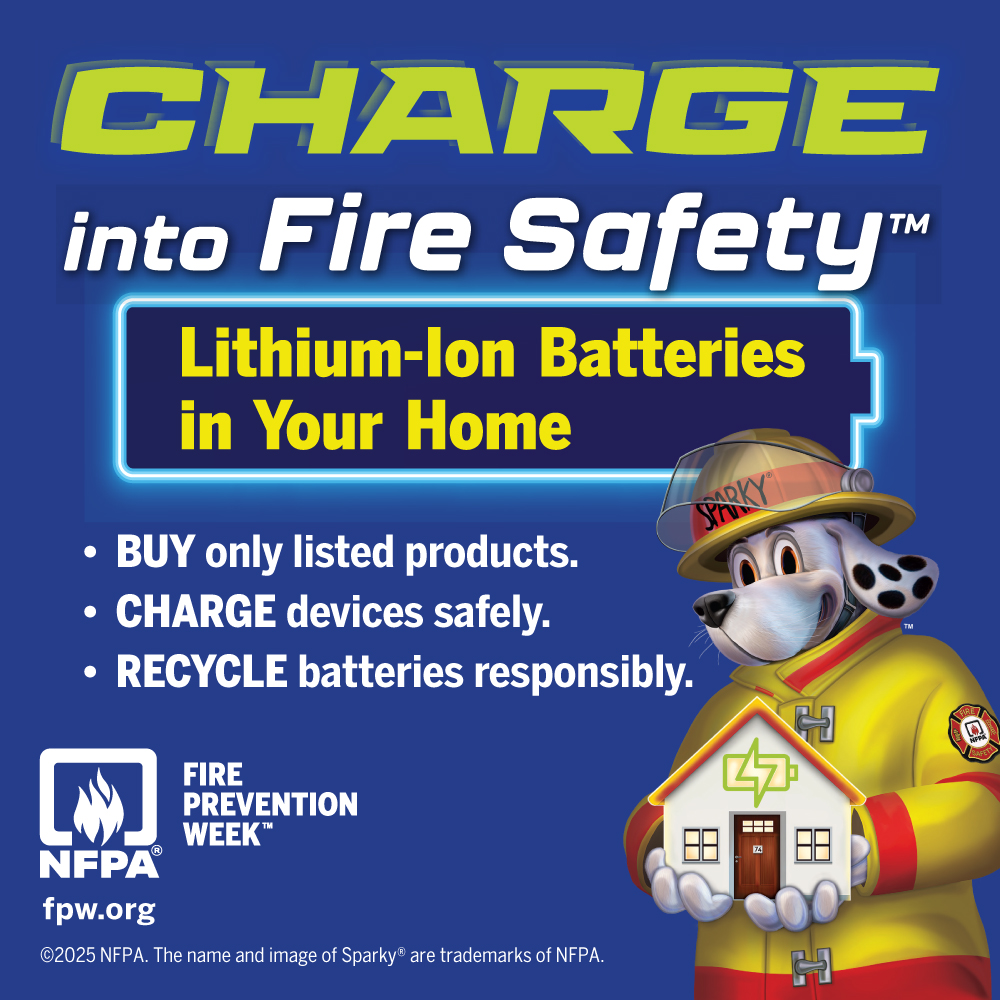
This year’s theme is Charge into Fire Safety: Lithium-Ion Batteries in Your Home. The main focus is learning how important it is to buy, charge and recycle safely to prevent a fire in your home.
You may not realize how common lithium-ion batteries are in your day-to-day life. Almost anything rechargeable uses this kind of battery.

Charge into fire safety: 3 steps
- Buy only listed products: when buying a product that uses a lithium-ion battery, look for a safety certification mark such as UL, ETL, or CSA. This means it meets important safety standards.
- Charge devices safely:
- Always use the cord that came with the product to charge.
- Follow the instructions from the manufacturer.
- Charge your device on a hard surface.
- Don’t overcharge your device.
- Unplug it or remove the battery when it’s fully charged.
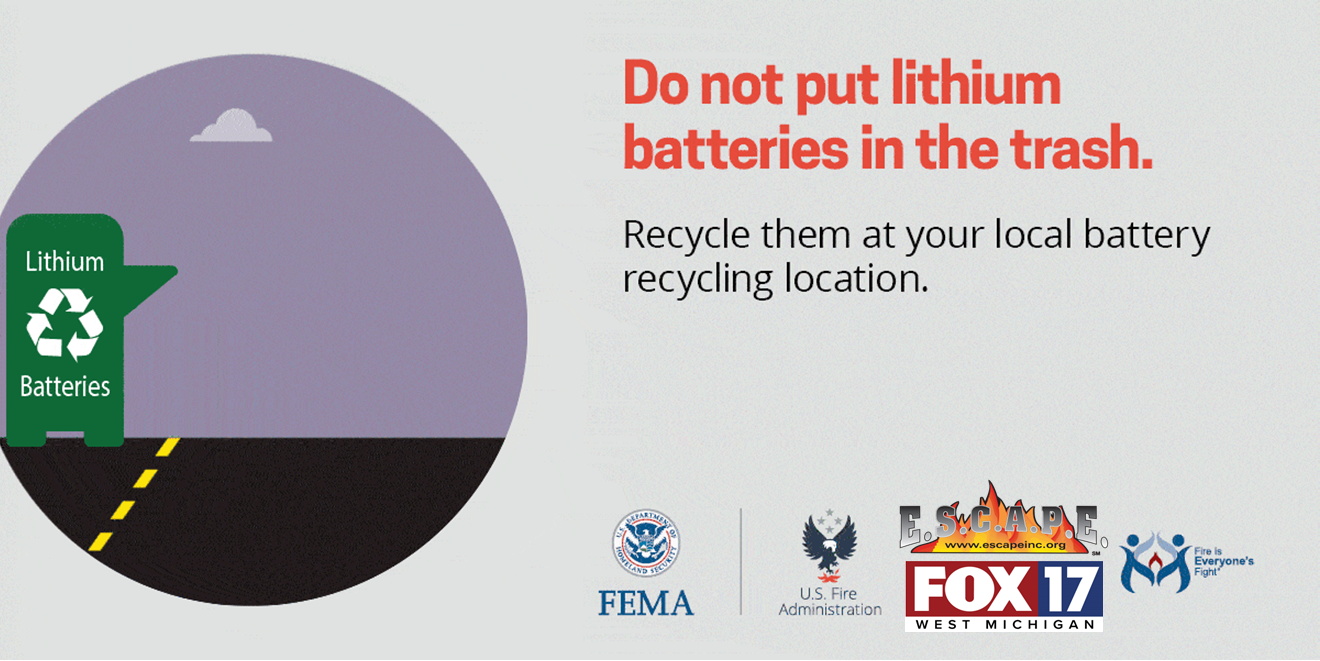
- Recycle batteries responsibly: Don’t throw lithium-ion batteries in the trash or regular recycling bins, they could start a fire. Find a safe battery recycling location at call2recycle.org.
Other safety tips:

When a home catches fire, families have less than two minutes to get out safely, that’s why FOX 17 partnered with E.S.C.A.P.E. Inc. to help get more smoke alarms into homes across West Michigan. To date, the Keep Michigan Safe initiative has provided more than 1,000 smoke alarms to viewers, and their local fire departments have helped install them correctly. The Red Cross has also been instrumental in helping protect people with smoke and carbon monoxide alarms.
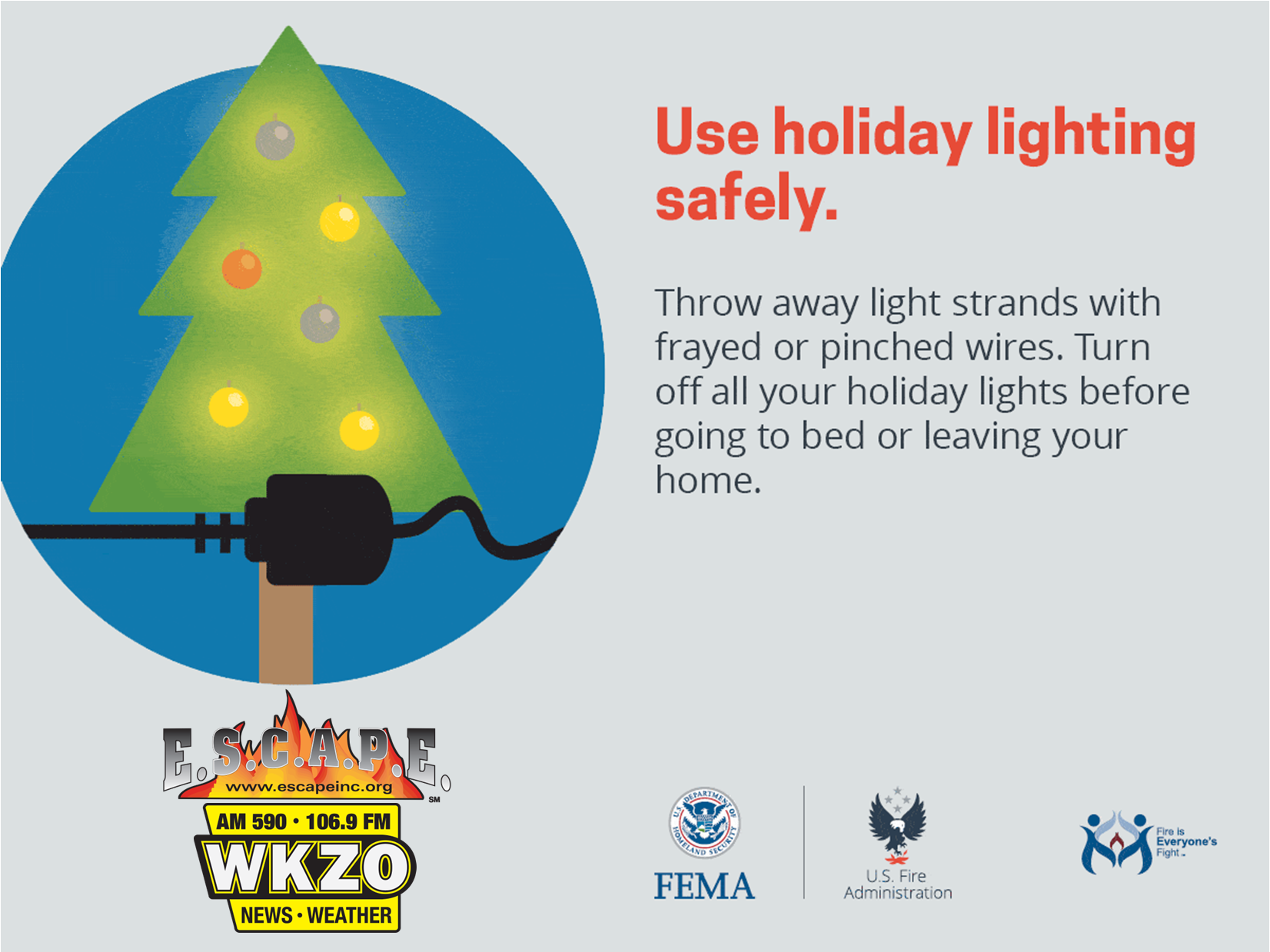
Fires increase dramatically in the winter months, and the holiday season provides its own unique dangers. Don’t burn real candles, use the battery-powered versions to eliminate risk. Make sure to unplug/turn off holiday light displays when you leave the house and overnight. Don’t put gifts or decorations in the way of exits and escape routes. Close bedroom doors at bedtime to help prevent fires from spreading.
For more information on fire prevention tips, or to reach out about getting a smoke alarm installed, head to escapeinc.org, fox17online.com/safe or call toll free (844) 978-4400.
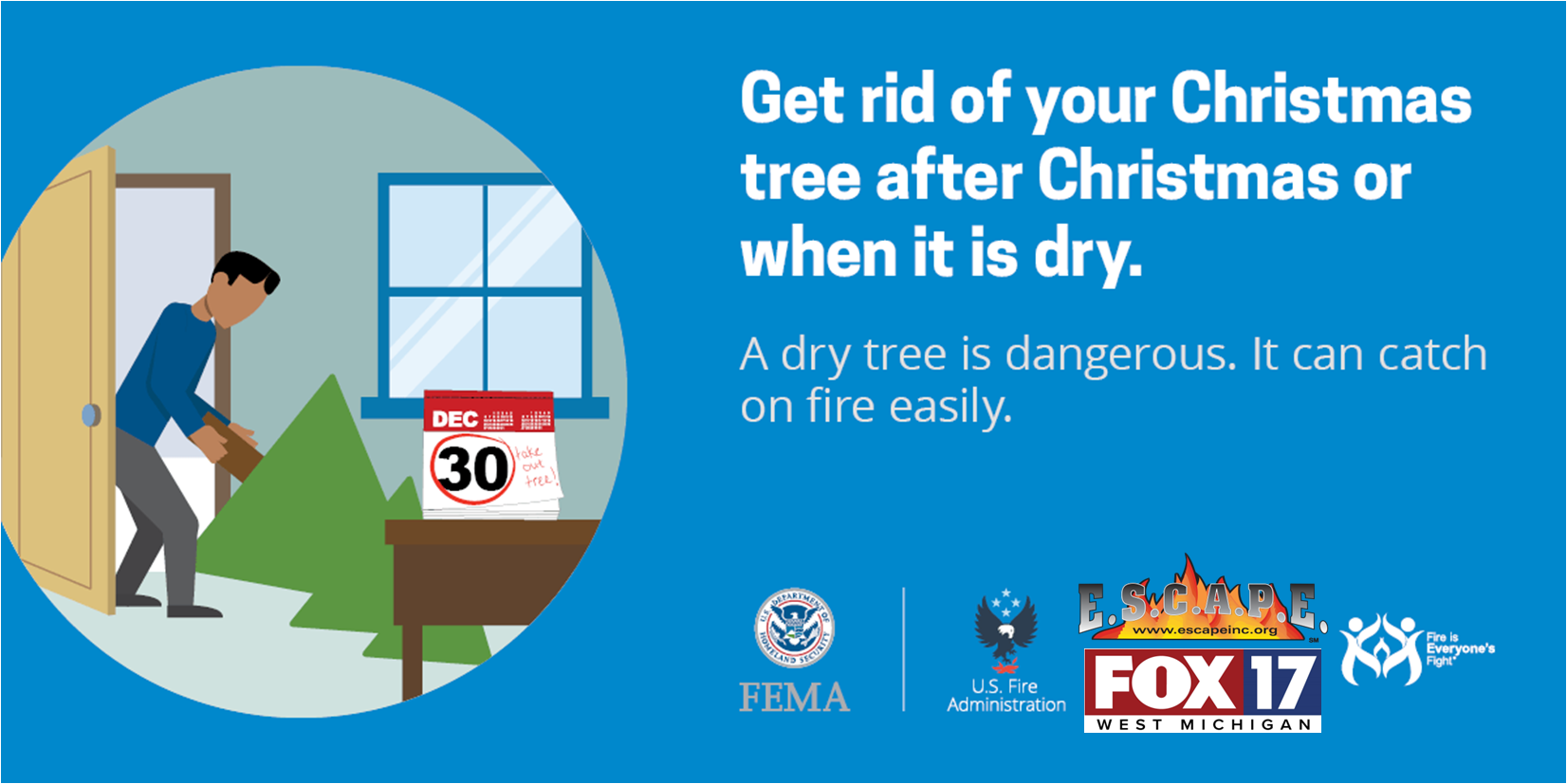
Here are links to holiday fire safety tips stories which aired live on Fox 17 and WKZO AM 590 and FM 106.9.
- 12/18/2024 – 9:20 a.m. – Fox 17 Morning News – https://www.fox17online.com/safe/escape-partnership-marks-1-year
- 12/19/2024 – 10:15 a.m. – Fox 17 Morning Mix – https://www.fox17online.com/morning-mix/e-s-c-a-p-e-inc-and-fox-17-celebrate-one-year-of-installing-smoke-detectors-across-west-michigan
- 12/20/2024 – 8:15 a.m. – WKZO AM 590 and FM 106.9 – https://omny.fm/shows/kalamazoo-mornings-with-ken-lanphear/be-fire-safe-this-holiday-season


Fox 17 Morning News 8:20 a.m. Interview 11/25/2024
Fox 17 Morning Mix 10:05 a.m. Interview 11/26/2024
WKZO AM 590 and FM 106.9 9:10 a.m. Interview 11/25/2024
Enjoy Thanksgiving and Prevent a Home Fire
Thanksgiving is the peak day for home cooking fires
The kitchen is the heart of the home, especially at Thanksgiving. From testing family recipes to decorating cakes and cookies, everyone enjoys being part of the preparations. Kids especially love to be involved in holiday preparations. However, keeping fire safety top of mind in the kitchen during this joyous but hectic time is important, especially on Thanksgiving Day when there is a lot of activity and people at home.
According to the United States Fire Administration, Thanksgiving is the peak day for home cooking fires and frying food increases the risk. The average number of reported home fires in the United States on Thanksgiving Day is more than double the average number of home fires on all other days. According to the National Fire Protection Association, Thanksgiving Day fires in residential buildings occurred most frequently from noon to 3 p.m., when many people most likely were preparing Thanksgiving dinner. These fires then declined throughout the evening.
As you start preparing your holiday schedule and organizing that large family feast, remember to play it safe! E.S.C.A.P.E. Fire Safety offers a few simple tips so you can enjoy time with your loved ones and keep yourself and your family safer from fire.
Turkey:
If you are roasting your turkey, make sure you set a timer. This way, you won’t forget about the bird as you watch the parade or football game.
Deep frying a turkey may be delicious but it also can be dangerous. If you are frying your turkey,
-
- Use a fryer with thermostat controls. This will ensure the oil does not become over heated.
- Thaw your turkey completely. Ice on the bird will cause the oil to splatter.
- Don’t overfill the pot with oil. If you do, the oil will overflow when you add the turkey causing a fire hazard.
- Keep children and pets at least 3-feet away from the fryer to protect against burn injuries.
-
- Also, always use the fryer outdoors on a sturdy, level surface away from things that can burn.
Stuffing and Potatoes:
Stand by your stove when you are boiling your potatoes or frying onions for the stuffing. It’s best to stay in the kitchen when you are frying, boiling or broiling. If you are in the kitchen, it’s easier to catch spills or hazardous conditions before they become a fire.

Vegetables:
- Keep the area around the stove clear of food packaging, paper towels, and dish cloths; anything that can burn.
- Be sure to clean up any spills as they happen.
- Be prepared! Keep a large pan lid or baking sheet handy in case you need to smother a pan fire.
- Turn pot handles towards the back of the stove so you don’t bump them.
By following these safety tips, you will have a delicious and fire safe Thanksgiving! Remember to let the firefighters have dinner with their families, not yours.

October 6, 2024 – It’s Fire Prevention Week (October 6 – 12)! This year’s theme is Smoke Alarms: Make Them WORK For You! ™
Working smoke alarms significantly increases your chances of surviving a deadly home fire. Roughly three out of five fire deaths happen in homes with either no smoke alarms or no working smoke alarms.


- Make it safe, make it out; How to make a plan this Fire Prevention Week (fox17online.com) – 8:20 am 10/07/2024
- Kalamazoo Mornings with Ken Lanphear (WKZO AM 590 and FM 106.9) – Fire Prevention Week 10/07/2024 9:10 a.m.
- Fire Prevention Week: What you need to know to keep your family safe (fox17online.com) – The Morning Mix 10:00 am 10/07/2024
- :30 PSA Fire Safety Escape Plan & Smoke Alarms
- Blazing a path to safety: Rockford firefighters teach fire safety to kids (fox17online.com) – 10/08/2024
- Fire Prevention Week: Cut your risks in half! (fox17online.com) – 10-09-2024 – Live broadcasts from Rockford (MI) Fire Service
Download the home fire escape map pictured below here


