


 According to the United States Fire Administration, approximately 85% of fire-related deaths occur in the home. Every year, more than 400 children under age ten die in home fires.
Fire and burns are the third leading cause of deaths that occur in the home, the third-leading cause of injury-related fatalities among children ages one to nine, and the fourth most prevalent cause for children ages ten to 14 in the United States. Many more could be prevented by following some prevention tips and precautions.
According to the United States Fire Administration, approximately 85% of fire-related deaths occur in the home. Every year, more than 400 children under age ten die in home fires.
Fire and burns are the third leading cause of deaths that occur in the home, the third-leading cause of injury-related fatalities among children ages one to nine, and the fourth most prevalent cause for children ages ten to 14 in the United States. Many more could be prevented by following some prevention tips and precautions.
- Follow safe cooking practices. Never leave food that is cooking unattended. Supervise children’s use of the stove, oven, or microwave and establish a three foot kid-free zone: an area for children and pets to stay clear of things that are hot.
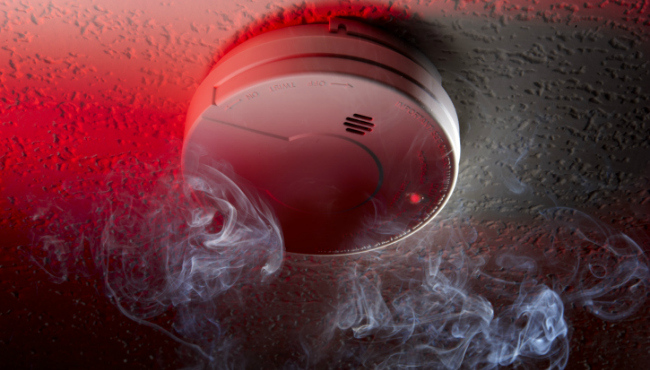
- Install and maintain smoke alarms on every floor of the home and near every bedroom. Test them monthly and replace batteries at least annually. Keep smoke alarms away from air vents. Place smoke alarms at least four to six inches away from walls and corners.
- Teach children that fire is not a toy, and can be dangerous.
- Keep matches and lighters locked up and away from children.
- Keep electrical cords and power strips from being pinched against walls.
- Do not overload electrical circuits or extension cords.
- Shut off and unplug appliances that sputter, spark or smell. Have them checked and repaired, or replaced.
- Be careful when using portable heaters. Be sure bedding, clothing and other combustible items are at least three feet from space heaters. Plug portable heaters directly into the wall socket, and not into extension cords. Unplug the heater when it is not being used and when you leave the room. Never operate a portable heater when you go to bed.
- Replace mattresses made prior to 2007, when flammability standards were implemented.
- Use fireplace screens and have the chimney cleaned and inspected annually by a certified chimney sweep.
- Have an escape plan, and practice the plan with children and everyone in your home. Learn two ways out of every room, and agree on a meeting place outside the building.
- If you live in an apartment building, know the best route to the stairwell and emergency exits.
- If you are in a room with a closed door when fire occurs, there are extra precautions:
- Do not open the door if you see smoke under it.
- If you don’t see smoke, check the door handle. If it is hot, do not open the door.
- If you can open the door, and there is no smoke or heat, proceed quickly to your exit.
- Stay low to the ground as you exit.
- If you can’t get out right away, yell for help or call 911 if you have a phone. Do not hide in a closet or under a bed.
Our friend Carly Munoz from WOTV4Women offers some tips on making your home safe for babies during the holiday season.
‘Tis the season to water your Christmas tree daily and use caution with candles and electric lights to keep this joyous time of year safe.
“Dried out, live trees are a fire danger. Always choose a fresh tree, keep it watered daily and keep it away from any heat source such as fireplaces, radiators, candles, or heat vents,” said Michigan State Fire Marshal Richard Miller. “If using an artificial tree, make sure it is labeled ‘flame-retardant,’ which indicates the tree will resist burning and should extinguish quickly.”
According to the U.S. Fire Administration, one of every three home Christmas tree fires are caused by electrical problems and one in six are caused by a heat source too close to the tree. Statistics show Christmas tree fires are much more likely to cause death than average home fires and the risk of fire is higher with natural trees than artificial ones.
When buying a live tree, Miller said to make sure it’s as fresh as possible. The trunk should be sticky to the touch. Needles should be green and hard to pull from the branches. Bounce the tree on the ground; if many needles fall off, it’s probably a dried-out, old tree that can be a fire hazard.
Once the tree is home, make a fresh cut of one to two inches at the base of the trunk to allow it to absorb water. Place the tree in a non-tip style holder with wide feet. Use only holiday lights that have been approved by a testing agency such as the Underwriters Laboratories and have a UL-tested label on them. LED lights are cooler and use less electricity than conventional lights.
“December is also the peak time of year for home candle fires,” said Miller. “More than half (56%), of such fires occur when candles are too close to anything that can catch on fire. Never use lighted candles on the tree. Keep candles up high enough away from children and pets and never leave home or go to bed with lights on or candles lit. Use battery-operated flameless candles instead.”
Additional holiday fire safety tips:
- Don’t use any strings of lights that are frayed or broken; throw out damaged sets.
- Use no more than three standard-size sets of lights per single extension cord.
- Place the tree as close to an electrical outlet as possible so that cords are not running long distances. Do not cover up cords with rugs to hide them – this increases the fire hazard.
- Remove your tree soon after the holidays. Recycle it using your community’s pickup day if available. Don’t leave it in the house or garage. Never put tree branches or needles in a fireplace or wood-burning stove.
- “Be sure your smoke alarms are in working order, have a fire extinguisher readily available and know how to use it,” Miller said. “Have a prepared and practiced home escape plan that will help insure your survival in a home fire.”
The Grandville Fire Department and E.S.C.A.P.E. Fire and Safety torched a Christmas tree to demonstrate the fire hazard when a tree is dried out. Watch this segment which aired on eightWest on December 19, 2013.
To see the U.S. Fire Administration video demonstrations showing how flammable a dry Christmas tree can be compared to a tree watered regularly, click here.
The holiday season can be one of the most dangerous seasons for fires. Firefighter Michael McLeieer of E.S.C.A.P.E. Fire Safety has some special holiday fire prevention and safety tips.
Christmas Tree
- Check the wiring on your tree
- Look for loose ornaments that could become choking hazards
- Use outlet covers
Kitchen
- Stand by your pan
- Use back burners first
- Create a three foot kid-free zone
Bathroom
- Keep medication out of reach of children
Pets
- Reintroduce pets to young children, especially if they’re not used to them

Knowing what to do in the event of a fire is particularly important for older adults. At age 65, people are twice as likely to be killed or injured by fires compared to the rest of the population. With numbers growing every year in the United States, adults age 65 and older make up about 12% of the population, it’s essential to take the necessary steps to stay safe.
To increase fire safety for older adults, here are some tips from the National Fire Protection Association and E.S.C.A.P.E. Fire Safety to review with friends, family members, and neighbors who are at risk:
- Keep it low – If you don’t live in an apartment building, consider sleeping in a room on the ground floor in order to make emergency escape easier.
- Sound the Alarm – The majority of fatal fires occur when people are sleeping, and because smoke can put you into a deeper sleep rather than waking you, it’s important to have a mechanical early warning of a fire such as smoke alarms throughout your home to ensure you wake up. If anyone in your household is deaf or if your own hearing is diminished, consider installing a smoke alarm that uses a flashing light or a bed shaker to alert you to a fire emergency.
- Do the drill – Conduct your own, or participate in, regular fire drills to make sure you know what to do in the event of a home fire. If you or someone you live with cannot escape alone, designate a member of the household to assist, and decide on backups in case the designee isn’t home (or if you live alone). Fire drills are also a good opportunity to make sure that everyone is able to hear and respond to smoke alarms.
- Stay connected – Keep a telephone nearby, along with emergency phone numbers so that you can communicate with emergency personnel if you’re trapped in your room by fire or smoke.
- Oxygen Helps Fire Spread Fast! Many older adults with respiratory problems now use home oxygen systems. Unfortunately, some people smoke while on oxygen which can be deadly to them and to people around them.
- Never smoke or light a match or use open flame while using oxygen.
- Keep all flames and heat sources away from oxygen containers and oxygen systems.
- Do not allow smoking inside of a home where oxygen is used. Even if it is not being used at a particular moment, the home is still an oxygen enriched environment, and fire can get out of hand quickly.
- Portable Heaters Need Space! Keep electric space heaters at least three feet away from drapes, furniture or other flammable materials. Never use a space heater when you leave the room or go to bed. Supervise children and pets when a space heater is in use.
All of our homes and circumstances are different. Take a few moments now to plan and prepare for an emergency. The preparation could save your life or the life of a family member or loved one Where You Live!
Our homes will be filled with family and friends in the days and weeks ahead, so now is a good time to go over safety tips to help keep everyone safe this holiday season. Firefighter Michael McLeieer of E.S.C.A.P.E. and Jake the Fire Safety Dog have these tips:
•Be on alert! Don’t cook if you’re sleepy or have consumed alcohol
•Stand by your pan! Don’t leave the kitchen while you are cooking. If you do, turn off the stove.
•Set a timer to remind you that you are cooking
•Keep all flammables away from the stovetop
•Turn handles of pots and pans to the side (inside)
•Wear short or tight sleeves when cooking
•Cook on back burners first
•Keep kids away from cooking area – maintain a three-foot kid-free zone
•Have activities set up to keep kids out of the kitchen
•Double check to make sure burners are off when you’re finished
•Make sure your smoke alarms are working
Other Safety Tips:
•Cover outlets
•Put your prescriptions away. Pills look like candy to kids.
•Introduce visiting kids to pets gently or use a baby gate to keep them apart
Portable heaters need space. This feature segment by WLNS 6 News and the Delta Township Fire Department near Lansing Michigan shows how quickly fire can spread.
If you are buying or renting a manufactured home (sometimes called a mobile home), make sure you keep fire safety in mind. According to the National Fire Protection Association and E.S.C.A.P.E. Fire & Safety, by following a few tips and knowing the facts and the safety requirements for manufactured homes, you can help keep your family safe Where You Live.
Safety Tips
- Choose a home built after 1976 that has the HUD label certifying that it meets certain minimum safety standards.
- Be sure your home has enough smoke alarms. Manufactured homes are required to be sold with smoke alarms, but sometimes people remove them. You need a smoke alarm inside each bedroom, outside each sleeping area, and in or near the family/living room area(s). For the best protection, interconnect all smoke alarms so when one sounds, they all sound.
- Test smoke alarms at least once a month and replace batteries at least once a year.
- Have a home fire escape plan that includes two ways out of every room and an outside meeting place. Make sure all ways out of the home are easy to use. Practice your fire drill at least twice a year with your family.
- Make sure you can open and get out of windows and doors. Don’t block access to them.
- If the smoke alarms sound when you are cooking, consider moving the alarm further from the kitchen area or install a photoelectric type alarm with a hush button which is less sensitive to cooking.
- Never remove or disable a smoke alarm.
- Consider having a licensed electrician inspect the electrical system to be sure it is safe and meets the applicable National Electrical Code® requirements.
- Have smokers smoke outside the home. Provide large, non-tip ashtrays and empty them frequently. Douse butts with water before throwing them away. Check around and under cushions for smoldering butts.
- Keep space heaters at least three feet away from anything that can burn. When purchasing new space heaters, select appliances with automatic shut-off switches. Turn off portable heaters before falling asleep or when leaving the room. Supervise children and pets when space heaters are operating.

Remember to watch what you heat when cooking or frying and keep a 3-foot kid free zone away from anything that is hot.
Cooking is the leading cause of home fires and injuries each year. Adults over the age of 65 are twice as likely to die in a cooking-related home fire. Adults 85 years and over are four times as likely to die from a burn injury. E.S.C.A.P.E. Fire & Safety offer a few tips you can follow to prevent these fires, fatalities, and injuries:
- Be on alert! If you are sleepy or have consumed alcohol, don’t use the oven or stovetop.
- Stand by your pan! Stay in the kitchen while you are frying, grilling, or broiling food. If you leave the kitchen for even a short period of time, turn off the stove.
- If you are simmering, baking, roasting, or boiling food, check it regularly, remain in the home while food is cooking, and use a timer to remind you that you are cooking.
- Keep anything that can catch fire — oven mitts, wooden utensils, food packaging, towels or curtains— away from your stovetop.
- Turn handles of pots and pans to the side so you don’t accidentally bump them and spill the contents.
- Cook on back burners first to avoid young hands from touching hot burners or hot pans.
- Keep kids away from the cooking area. Maintain a three-foot kid free zone away from things that are hot and can burn (the stove, oven, microwave, or food).
- Wear short, close-fitting, or tightly rolled sleeves when cooking. Loose clothing can easily catch fire if it comes in contact with a gas flame or electric burner.
- Check the kitchen after you finish cooking to make sure the oven, burners and other appliances are turned off.
Remember to take a few minutes and use common sense to prevent a fire or burn injury Where You Live!